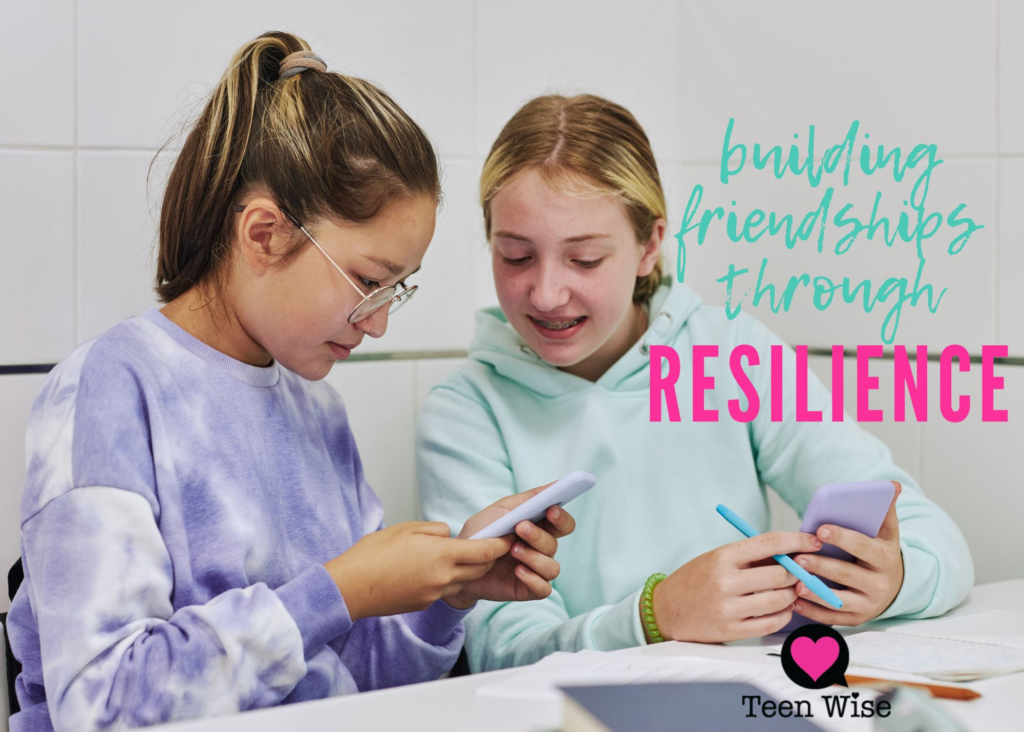
In a world filled with challenges and constant change, helping teens develop a growth mindset is one of the most valuable gifts parents can provide. A growth mindset, coined by psychologist Carol Dweck, is the belief that abilities and intelligence can be developed through effort, learning, and perseverance. It’s a mindset that empowers teens to embrace challenges, learn from failures, and thrive in the face of setbacks. Beyond academic and personal success, a growth mindset also plays a key role in building and maintaining strong, healthy friendships.
What Is a Growth Mindset?
A growth mindset contrasts with a fixed mindset, where people believe their abilities are set in stone and cannot change. Teens with a fixed mindset often shy away from challenges, fearing failure and feeling defeated by setbacks. In contrast, those with a growth mindset view challenges as opportunities to learn and grow. They understand that effort leads to improvement and that failure is simply a stepping stone on the path to success.
When it comes to friendships, a growth mindset helps teens navigate conflicts, miscommunications, and the ups and downs of social interactions. Instead of thinking, “I’m just bad at making friends,” a teen with a growth mindset might think, “What can I do to improve this friendship?” This shift in perspective encourages problem-solving and resilience in their relationships.
Why Teens Need a Growth Mindset
Adolescence is a time of exploration, learning, and rapid change. During these years, teens face academic pressures, social challenges, and the uncertainty of their emerging identity. A growth mindset equips them with the resilience and confidence to navigate these experiences. It teaches them that their potential is not predetermined but rather shaped by their willingness to put in effort, seek help, and persevere.
In friendships, this mindset is especially important. Teens often encounter conflicts with peers, feelings of exclusion, or difficulties in making new friends. A growth mindset helps them see these moments not as failures, but as opportunities to strengthen their social skills, resolve issues, and foster deeper connections.
How Growth Mindset Shapes Friendships
Teens with a growth mindset approach relationships differently. When faced with a conflict with a friend, instead of thinking, “This friendship is over,” they might ask, “What can we do to work through this?” When they feel excluded or left out, they focus on finding ways to connect or explore new friendships rather than giving up altogether. This mindset helps them approach social interactions with curiosity and resilience, essential traits for building lasting friendships.
A growth mindset also encourages teens to value effort in their relationships. They learn to put time and energy into maintaining friendships, whether that means resolving disagreements, reaching out to check on a friend, or simply spending quality time together. They understand that strong relationships take work and that small setbacks don’t define the overall health of a friendship.
Cultivating a Growth Mindset in Social Situations
Developing a growth mindset starts with language and perspective. Teens can learn to replace limiting thoughts with empowering ones. Instead of saying, “I’m not good at making friends,” they can say, “I haven’t found my group yet.” The word “yet” signals possibility and the belief that improvement is always within reach. Encouraging teens to reflect on their efforts and progress in friendships helps them see relationships as dynamic and evolving.
Reframing failure is another important step. Instead of viewing a conflict or a friendship ending as a personal failure, teens can see it as a chance to learn. For example, if they argue with a friend, they might ask themselves what they could have done differently or how they can approach the situation next time. Each interaction, whether positive or challenging, becomes an opportunity to grow socially.
The Role of Challenges in Friendships
Challenges play a critical role in fostering a growth mindset in friendships. Navigating difficult conversations, overcoming feelings of jealousy, or resolving misunderstandings all help teens develop stronger social skills. Taking on the challenge of meeting new people or joining a new group can also push them out of their comfort zones and build confidence in their ability to connect with others.
Even when friendships don’t work out, a growth mindset helps teens see the experience as valuable. They learn what qualities they value in a friend, how to communicate better, and how to recognize when a relationship isn’t healthy. These lessons are crucial for forming meaningful, supportive connections in the future.
The Long-Term Benefits
A growth mindset doesn’t just help teens navigate the challenges of adolescence; it sets the stage for lifelong success in relationships. Adults with a growth mindset are more likely to maintain strong friendships, adapt to changing social dynamics, and continue learning about themselves and others. By fostering this mindset in their teens, parents equip them with the tools they need to thrive socially and emotionally.
Closing Thoughts
Helping teens develop a growth mindset isn’t about shielding them from failure or making life easy. It’s about teaching them to see every experience—even the difficult ones—as an opportunity to grow. This perspective is especially important in friendships, where resilience, communication, and effort are key to building strong connections. With patience, encouragement, and the right tools, teens can learn to embrace challenges, persevere through setbacks, and unlock their full potential in their social lives. The journey may not always be smooth, but it will be one of growth, resilience, and meaningful relationships.
With Heart,
Coach Sheri